
British baking traditions are deeply ingrained in our culture, from afternoon tea sandwiches to celebratory birthday cakes. Baking at home creates a cozy atmosphere, filling the home with the aromas of vanilla and cinnamon on a rainy day. British housewives and culinary enthusiasts pride themselves on crafting the perfect sponge cake or layered fruit pie. Understanding basic techniques and quality ingredients is the key to success in the home bakery.
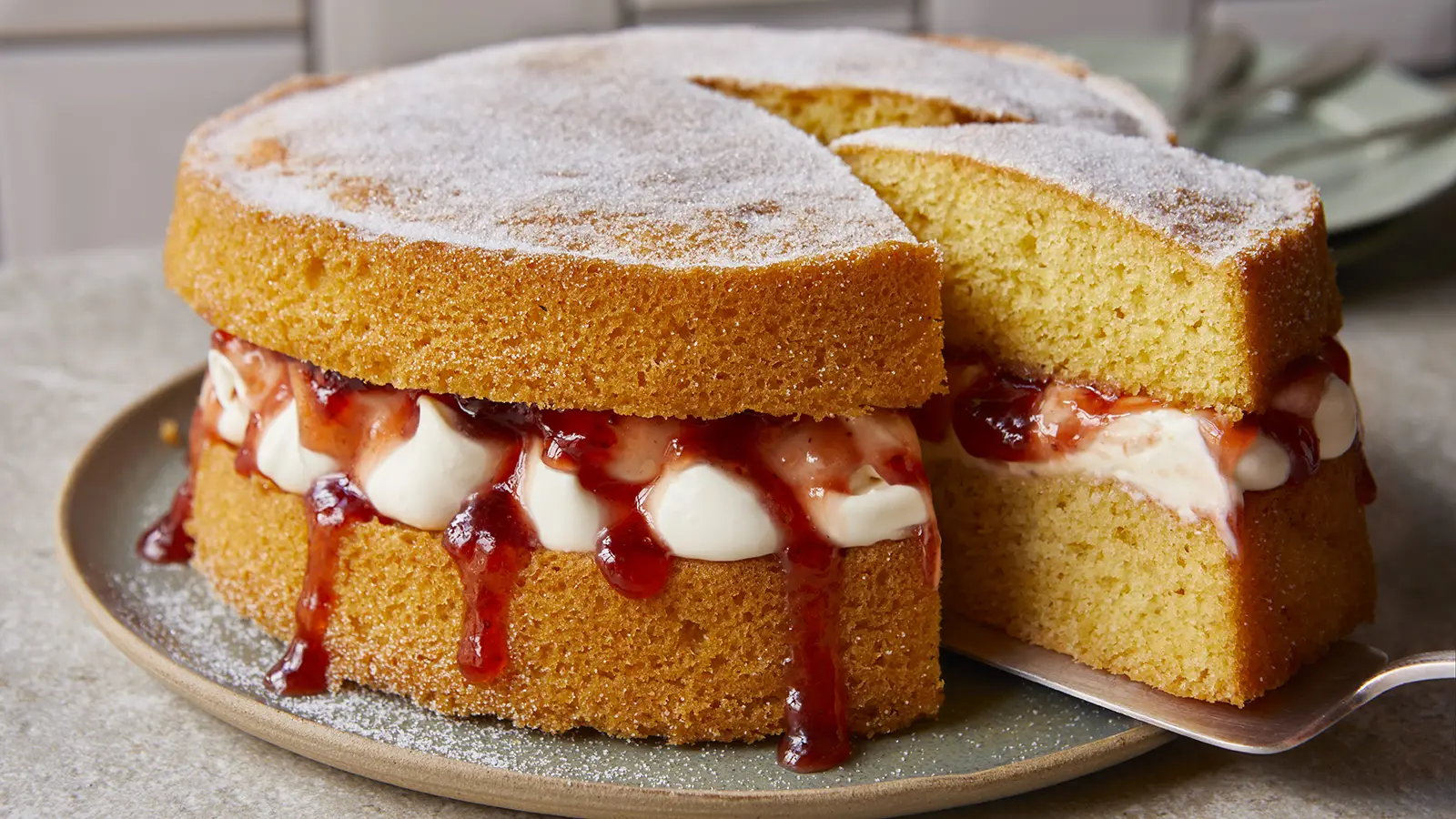
Victorian cakes, such as the Victoria sponge, remain the benchmark for the simplicity and elegance of British teatime baking. Two sponge layers with a layer of whipped cream and strawberry jam are a classic that requires no elaborate decoration. The secret to a fluffy cake is using room-temperature butter and eggs, as well as gently folding the flour in with a spatula without mixing. A dusting of icing sugar on top completes the presentation, making the cake perfect for sharing with guests over a cup of Earl Grey.
Scones are a staple of cream tea, a traditional Devon and Cornish tradition where the order of spreading is always a contentious issue. Prepare the batter with flour, baking powder, butter, and milk, kneading briefly to preserve the delicate texture. Bake at 220°C (425°F) for about 12-15 minutes, until golden brown on top and lightly browned around the edges. Serve warm with clotted cream and jam, breaking them up with your hands rather than cutting with a knife for an authentic experience.
Banana bread and carrot cake are moister, denser cakes, perfect for using up overripe fruits and vegetables in the kitchen. Ripe bananas impart natural sweetness and moisture, reducing the need for added sugar in the batter. Carrot cake with cinnamon, nutmeg, and walnuts is often topped with cream cheese frosting for balance. These recipes are economical, nutritious, and perfect for school lunchboxes.
Advertising