
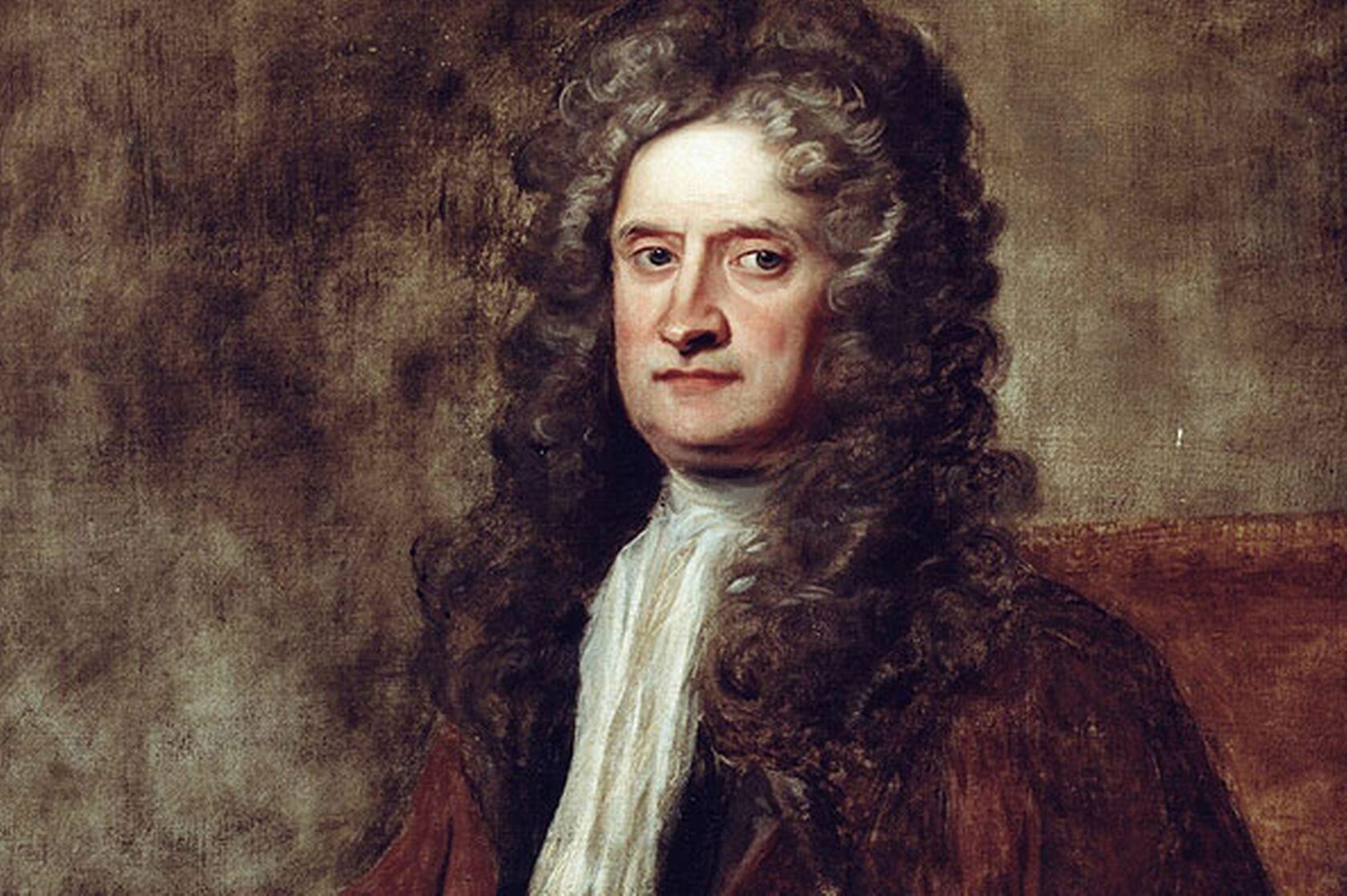
Stephen Hawking explored black holes and cosmology, popularizing science through books and media. His work united general relativity and quantum mechanics in new theoretical models of the universe. Hawking became a symbol for millions of people of overcoming physical limitations through the power of intellect and will. British universities continue to lead the world in theoretical physics and astrophysics research.
Tim Berners-Lee invented the World Wide Web at CERN, working under the British flag and with British funding. His decision to make the technology open and free transformed communications, the economy, and education globally. British institutions continue to advance research in artificial intelligence and cybersecurity today. Berners-Lee’s legacy reminds us of the social responsibility of scientists to society and the future of humanity. British scientific institutions such as the Royal Society and the Universities of Oxford and Cambridge support world-class research. Funding through UK Research and Innovation enables scientists to pursue ambitious projects in various fields. International collaboration enhances the influence of British science and the exchange of ideas with colleagues around the world. Investment in science pays off in innovation, creating jobs and improving the quality of life for citizens.
Science communication in the UK includes museums, festivals, and media outlets that make knowledge accessible to the general public. The Royal Institution Christmas Lectures are broadcast on the BBC every year, inspiring children to take an interest in science. Podcasts, blogs, and YouTube channels by British scientists popularize research in a format accessible to non-specialists. Effective communication strengthens public trust in science and government support for scientific initiatives.
Finally, Britain’s contribution to global science continues to grow thanks to its traditions of empiricism and critical thinking. Support for fundamental research and applied development lays the foundation for future progress and innovation. Young UK scientists inherit a rich legacy and responsibility for addressing humanity’s global challenges. Science knows no borders, and international collaboration remains the key to new discoveries and understanding of the world around us.
Advertising