
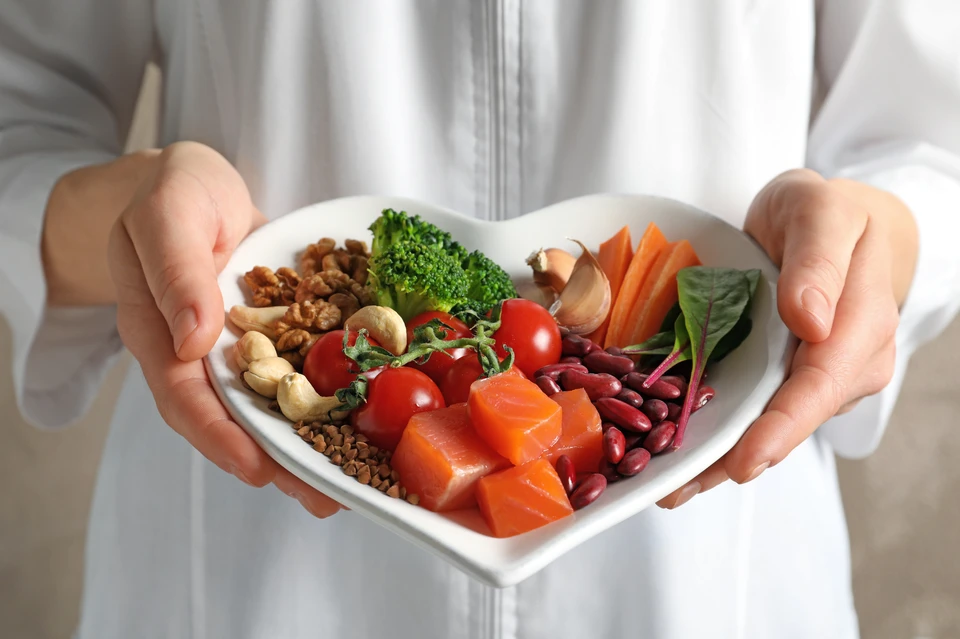
Healthy eating in the UK is becoming increasingly important amid growing awareness of the impact of diet on well-being and long-term health. The National Health Service (NHS) promotes balanced diets through the Eatwell Guide, a campaign that visualizes the proportions of food groups. However, the abundance of conflicting information in the media and social media creates confusion: how to distinguish scientifically sound recommendations from trendy myths? Understanding the basic principles helps make informed dietary decisions without extremes and stress.
The Eatwell Guide recommends a diet based on fruits, vegetables, whole grains, and legumes, which make up more than a third of daily food intake. Five portions of fruit and vegetables per day is an achievable goal if included in every meal and snack throughout the day. Frozen and canned options without added sugar and salt are just as nutritious as fresh ones and are often more economical in supermarkets. A variety of colors provides a wide range of phytonutrients that support immunity and protect cells from damage.
Protein is essential for muscle health, immunity, and satiety: British sources include fish, poultry, eggs, legumes, and tofu for vegetarians. Oily fish like salmon and mackerel are rich in omega-3s, which are beneficial for the heart and brain, and are recommended twice a week according to doctors. Plant proteins, like lentils and chickpeas, are economical and environmentally friendly, reducing the burden on the planet’s resources compared to animal sources. A balance of animal and plant proteins allows for flexible adaptation of the diet to suit family preferences and budgets.
Carbohydrates are often demonized in popular diets, but high-quality sources like oats, quinoa, and wholegrain bread provide energy and fiber. A British breakfast of porridge with water or milk and berries is a filling and nutritious start to the day without sudden blood sugar spikes. Avoid refined carbohydrates, like white bread and sweets, which provide short-term energy followed by a crash and hunger. Reading labels can help you identify hidden sugars in sauces, yogurts, and supermarket ready meals.
Fats are essential for hormones, vitamin absorption, and satiety, but it’s important to choose healthy sources in your diet. Olive oil, avocados, nuts, and seeds contain monounsaturated and polyunsaturated fats, which support cardiovascular health. Saturated fats, such as those found in red meat and butter, should be limited, replacing them with healthier alternatives when cooking. Trans fats, often found in processed foods, are best avoided entirely due to their association with inflammation and disease risk.
Advertising