Category:

Nutrition

Advertising

Healthy eating in the UK is becoming increasingly important amid growing awareness of the impact of diet on well-being and long-term health. The National Health Service (NHS) promotes balanced diets through the Eatwell Guide, a campaign that visualizes the proportions of food groups. However, the abundance of conflicting information in the media and social media creates confusion: how to distinguish scientifically sound recommendations from trendy myths? Understanding the basic principles helps make informed dietary decisions without extremes and stress.
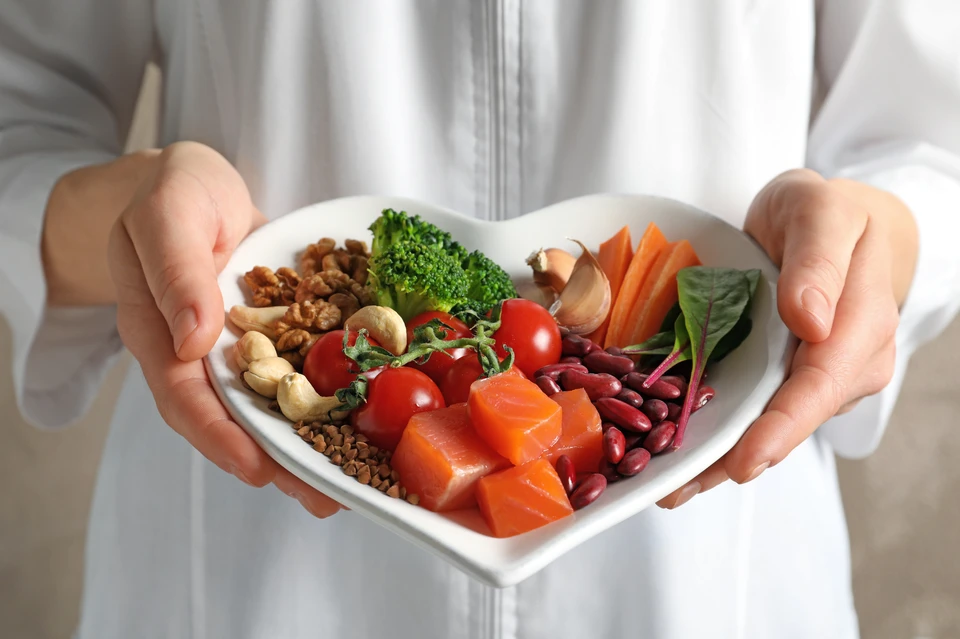
The Eatwell Guide recommends a diet based on fruits, vegetables, whole grains, and legumes, which make up more than a third of daily food intake. Five portions of fruit and vegetables per day is an achievable goal if included in every meal and snack throughout the day. Frozen and canned options without added sugar and salt are just as nutritious as fresh ones and are often more economical in supermarkets. A variety of colors provides a wide range of phytonutrients that support immunity and protect cells from damage.
Protein is essential for muscle health, immunity, and satiety: British sources include fish, poultry, eggs, legumes, and tofu for vegetarians. Oily fish like salmon and mackerel are rich in omega-3s, which are beneficial for the heart and brain, and are recommended twice a week according to doctors. Plant proteins, like lentils and chickpeas, are economical and environmentally friendly, reducing the burden on the planet’s resources compared to animal sources. A balance of animal and plant proteins allows for flexible adaptation of the diet to suit family preferences and budgets.
Carbohydrates are often demonized in popular diets, but high-quality sources like oats, quinoa, and wholegrain bread provide energy and fiber. A British breakfast of porridge with water or milk and berries is a filling and nutritious start to the day without sudden blood sugar spikes. Avoid refined carbohydrates, like white bread and sweets, which provide short-term energy followed by a crash and hunger. Reading labels can help you identify hidden sugars in sauces, yogurts, and supermarket ready meals.
Fats are essential for hormones, vitamin absorption, and satiety, but it’s important to choose healthy sources in your diet. Olive oil, avocados, nuts, and seeds contain monounsaturated and polyunsaturated fats, which support cardiovascular health. Saturated fats, such as those found in red meat and butter, should be limited, replacing them with healthier alternatives when cooking. Trans fats, often found in processed foods, are best avoided entirely due to their association with inflammation and disease risk.
Pages: 1 2

Seasonal cooking in the UK is not only a trend but also a return to traditional eating in harmony with natural cycles. Local ingredients, picked at their peak ripeness, offer maximum flavor, aroma, and nutritional value. British farmers’ markets and box schemes deliver fresh produce directly from producers, supporting local economies and reducing carbon footprints. Understanding seasonality helps plan menus, save money, and enjoy a variety of flavors throughout the year.
Spring in the UK brings young greens: asparagus, rhubarb, new potatoes, and herbs like sorrel and nettles for soups. Green asparagus, steamed or grilled with olive oil and Parmesan, makes a simple and elegant side dish for fish or meat. Rhubarb, although technically a vegetable, is used in desserts: custard crumble or ginger compote to balance the tart flavor. New potatoes with mint and butter are a classic British side dish, highlighting the delicacy of the spring harvest.
Summer brings an abundance of berries, fruits, and vegetables: strawberries, raspberries, zucchini, tomatoes, and beans for salads and grilling. Strawberries and cream remain a symbol of the British summer, especially in the context of Wimbledon tennis and park picnics. Zucchini and eggplant baked with herbs and feta create a light Mediterranean dish, adapted to the British growing climate. Canning and freezing the summer harvest allows you to enjoy the flavors of the season during the colder months.
Autumn offers root vegetables, pumpkins, apples, and mushrooms for hearty soups, stews, and warming pies. Butternut squash soup with coconut milk and ginger is a popular vegetarian dish, rich in vitamins and fiber for immune support. Apple pies with cinnamon crumble fill the home with the aromas of comfort, perfect for serving with vanilla ice cream after dinner. Wild mushrooms, foraged or bought at the market, add an earthy flavor to risottos and gourmet omelettes.

Pages: 1 2

Advertising

British baking traditions are deeply ingrained in our culture, from afternoon tea sandwiches to celebratory birthday cakes. Baking at home creates a cozy atmosphere, filling the home with the aromas of vanilla and cinnamon on a rainy day. British housewives and culinary enthusiasts pride themselves on crafting the perfect sponge cake or layered fruit pie. Understanding basic techniques and quality ingredients is the key to success in the home bakery.
Victorian cakes, such as the Victoria sponge, remain the benchmark for the simplicity and elegance of British teatime baking. Two sponge layers with a layer of whipped cream and strawberry jam are a classic that requires no elaborate decoration. The secret to a fluffy cake is using room-temperature butter and eggs, as well as gently folding the flour in with a spatula without mixing. A dusting of icing sugar on top completes the presentation, making the cake perfect for sharing with guests over a cup of Earl Grey.
Scones are a staple of cream tea, a traditional Devon and Cornish tradition where the order of spreading is always a contentious issue. Prepare the batter with flour, baking powder, butter, and milk, kneading briefly to preserve the delicate texture. Bake at 220°C (425°F) for about 12-15 minutes, until golden brown on top and lightly browned around the edges. Serve warm with clotted cream and jam, breaking them up with your hands rather than cutting with a knife for an authentic experience.
Banana bread and carrot cake are moister, denser cakes, perfect for using up overripe fruits and vegetables in the kitchen. Ripe bananas impart natural sweetness and moisture, reducing the need for added sugar in the batter. Carrot cake with cinnamon, nutmeg, and walnuts is often topped with cream cheese frosting for balance. These recipes are economical, nutritious, and perfect for school lunchboxes.

Pages: 1 2

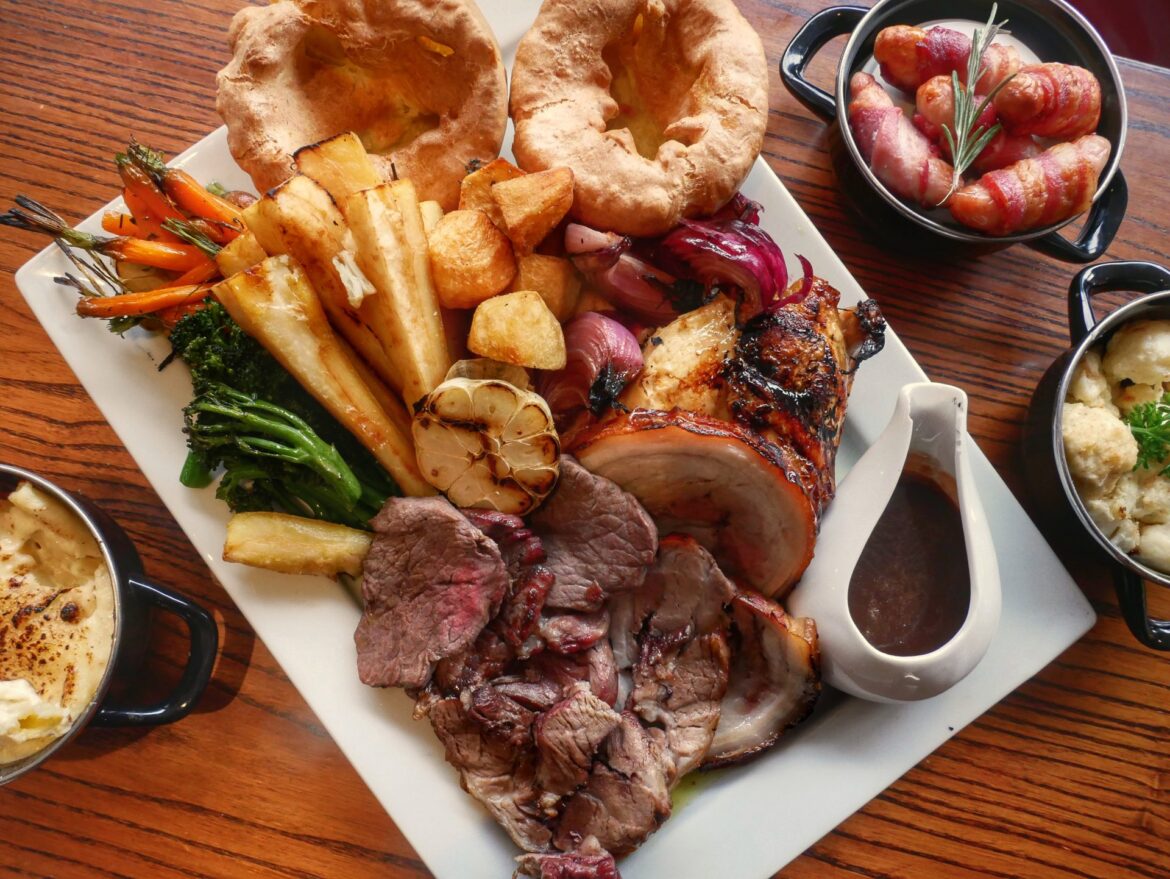
The Sunday roast is a cornerstone of British culinary culture, bringing families together around the table after the workweek. This dish symbolizes relaxation, abundance, and caring for loved ones, passed down from generation to generation through recipes and serving rituals. Traditionally served on Sunday afternoons, modern lifestyles allow for customization of the meal to suit family convenience. Understanding the ingredients and cooking techniques helps create the perfect roast, a memorable experience for family and guests.
The central element of the Sunday roast is the meat: beef, lamb, pork, or chicken, chosen according to family preference and budget. Beef is best roasted at a high temperature initially to create a crust, then reduced to ensure even cooking throughout. Using a meat thermometer ensures the desired doneness: medium rare for beef is approximately 60°C (140°F) in the center. Lamb and pork require longer cooking times at a moderate temperature to ensure a tender and juicy final dish.
Yorkshire puddings are a must-have accompaniment to roast beef, although they are now served with other meats at guests’ discretion. The secret to the airy texture is well-heated fat in the pan before pouring in the batter of flour, eggs, and milk. Bake at 220°C (425°F) for about 20-25 minutes, or until golden brown, without opening the oven to prevent the puddings from falling. Serve hot, straight from the oven, for maximum enjoyment of the crispy exterior and tender center.
The vegetable component includes potatoes baked in goose fat or butter until crisp, and seasonal vegetables such as carrots, parsnips, and Brussels sprouts. The potatoes are pre-boiled until half-cooked, then fried in hot fat for the perfect texture on the outside and tenderness on the inside. Brussels sprouts are often disliked for their bitterness, but when prepared correctly—blanching and roasting with bacon—their nutty, sweet flavor is revealed. Seasonal vegetables add color, nutrition, and balance to a heavy meat dish.

Pages: 1 2

Advertising

Traditional British cuisine is often underestimated, but it is truly rich in flavors and historical cooking traditions. Dishes like fish and chips, shepherd’s pie, and beef Wellington have become symbols of the United Kingdom’s culinary heritage. Modern chefs reimagine classics, incorporating international ingredients and techniques to create a fresh perspective. Understanding the roots of British gastronomy helps us appreciate the evolution of flavors and cultural exchange through food.
Fish and chips, perhaps the most recognizable British dish, has its roots in 19th-century Jewish and Belgian cuisine. Cod or haddock in a beer-flour batter is served with thick-cut French fries and mushy peas. Traditionally, the dish was wrapped in newspaper to retain heat, but eco-friendly packaging is now used due to hygiene concerns. The best way to enjoy it is to buy it at a local chip shop and eat it al fresco by the sea in a coastal town.
Shepherd’s pie and cottage pie differ in the type of meat used: the former is made with lamb, the latter with beef, which is important to know when ordering in a pub. The mince is stewed with vegetables, tomato paste, and spices, then topped with a layer of mashed potato and baked until golden brown. This dish is perfect for a family dinner on a cold British evening when you want something hearty and comforting. Serving it with gravy and pickled beetroot complements the traditional flavor of this traditional dish.
Beef Wellington represents the pinnacle of British cuisine: beef tenderloin topped with pâté and mushroom duxelles, wrapped in puff pastry. The preparation requires skill to ensure the meat remains juicy and the pastry crisp and not soggy inside. This dish is often served at festive dinners and special events, showcasing the hosts’ hospitality and culinary skills. Restaurant versions may include truffles or foie gras to enhance the dish’s sophistication and value.
Puddings hold a special place in British cuisine, from Yorkshire pudding to roasts to sweet desserts like sticky toffee pudding. Yorkshire pudding is made with a simple batter made with milk and eggs, which rises in hot fat, creating an airy texture. Sticky toffee pudding with dates and caramel sauce has become an international hit, representing the British love of sweet, rich desserts. Serving with vanilla ice cream or custard completes the meal with authentic British flair.

Pages: 1 2

Advertising