
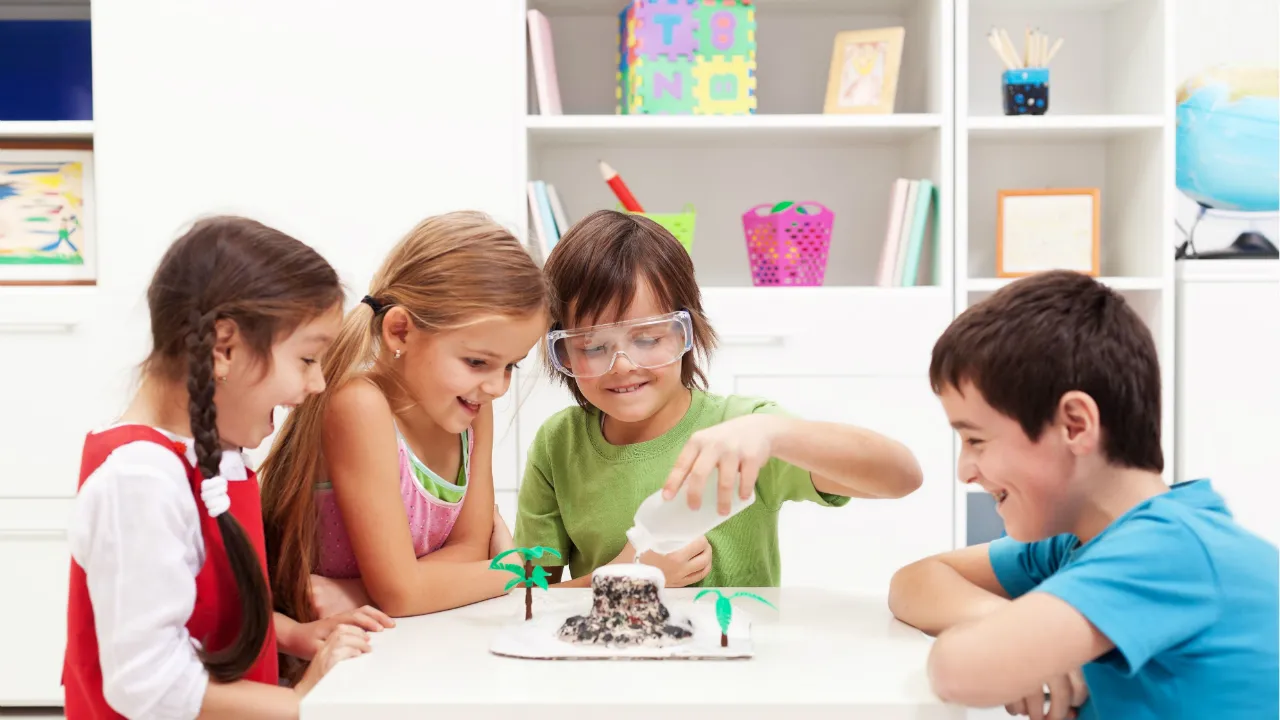
Creating a simple electrical circuit using a battery, wires, and a light bulb demonstrates the basics of electrical engineering. Children learn the concepts of current, voltage, and resistance through direct observation of the circuit. Britain’s national electricity grid operates on the same fundamental principles discovered in the 19th century. Safe experiments with low-voltage power supplies lay the foundation for understanding modern technologies in the future. An experiment with the density of liquids demonstrates why oil floats on water and syrup sinks in a glass. Pour different liquids in layers into a transparent container and observe how they separate based on density. This principle is used in oil refining and environmental research into water purification in the UK. The visual demonstration of the experiment helps you remember the concept of density better than any school physics textbook.
Growing plants in different conditions illustrates photosynthesis and the nutrient requirements of living organisms. Place one plantlet in the light, the other in the dark, and compare the results after a week of observation. British botanical gardens like Kew Gardens use scientific methods to preserve rare plant species around the world. This home experiment develops responsibility and an understanding of the ecological processes in nature around us.
An experiment with magnetic slime, or ferrofluid, demonstrates the effect of a magnetic field on special materials containing iron particles. Mix PVA glue, borax, and iron filings to create a substance that reacts to a magnet. This experiment combines polymer chemistry and the physics of magnetism in a spectacular family experience. British researchers are developing similar materials for medicine and robotics in modern laboratories across the country.
Measuring the falling speed of objects of different masses puts Galileo’s and Newton’s laws of mechanics to the test. Drop a pen and a coin from the same height in a vacuum or compare their falls in air. British scientists continue to research gravity and the fundamental forces of nature at the universities of Oxford and Cambridge. A simple experiment helps understand the difference between theoretical models and real-world conditions involving resistance.
In conclusion, home experiments make science accessible and engaging for children and adults in the UK. They develop critical thinking, observation skills, and an interest in inquiry from an early age. It is important to document results, formulate conclusions, and ask new questions to continue learning about the world. The British tradition of science education supports such initiatives through museums, libraries, and educational programs across the country. Experiment safely, have fun, and keep an open mind to new discoveries every day.
Advertising